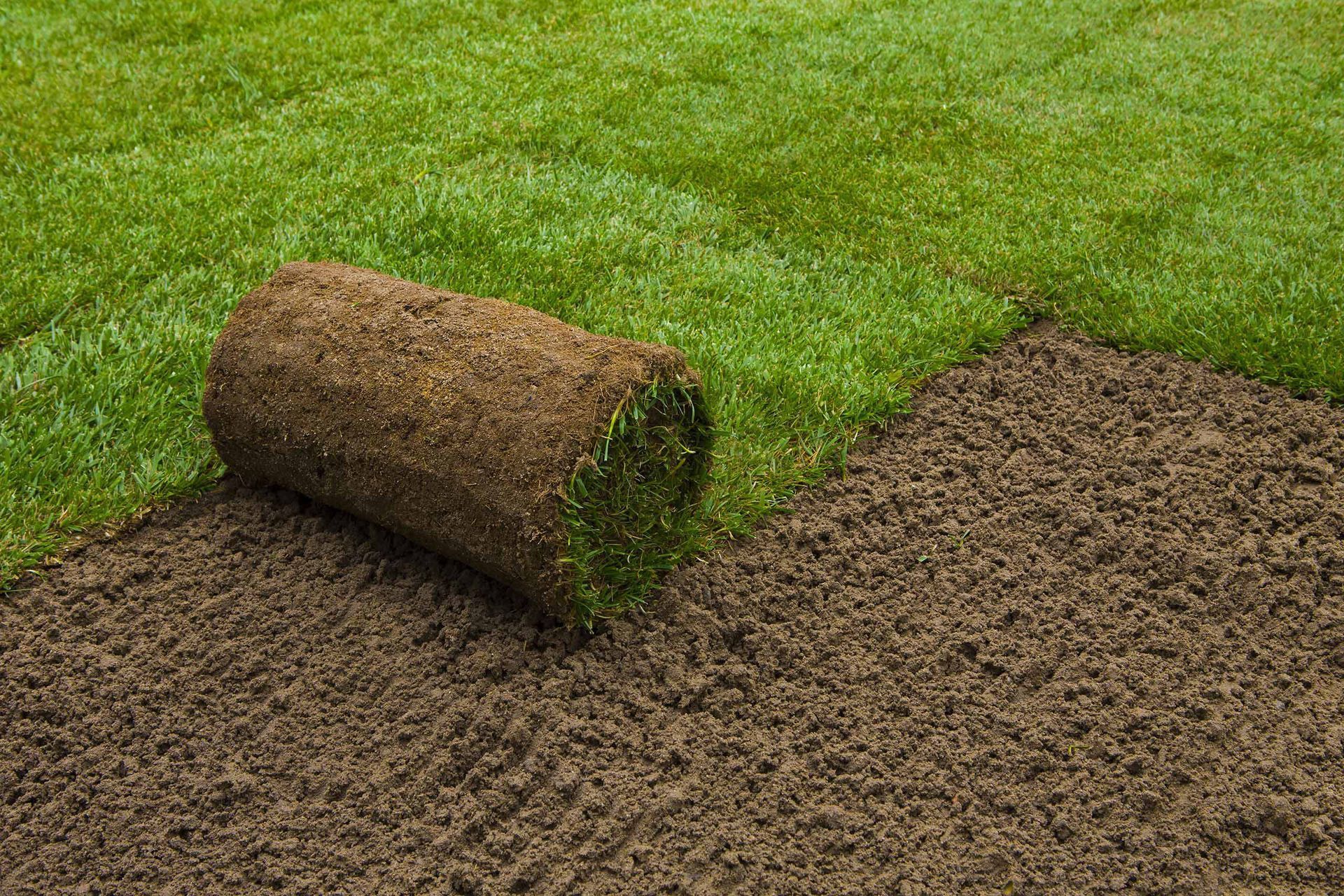
A healthy, vibrant lawn enhances the appearance of any property while creating a welcoming outdoor environment. However, achieving lush, consistent grass coverage requires more than simply placing new turf over existing soil. Proper preparation, professional installation, and appropriate growing conditions all influence how successfully a lawn becomes established.
Professional sod installations offer an effective way to create beautiful lawns without the extended waiting periods associated with growing grass from seed. When handled correctly, newly installed sod can develop strong roots, support healthier soil conditions, and provide dependable coverage across residential and commercial landscapes.
1. Encouraging Stronger Root Development
Healthy grass begins with a strong root system. Roots absorb essential nutrients and moisture from the soil, helping grass withstand environmental stress and maintain consistent growth. When sod is installed correctly, its roots can establish contact with the underlying soil and gradually develop into a stable, interconnected network.
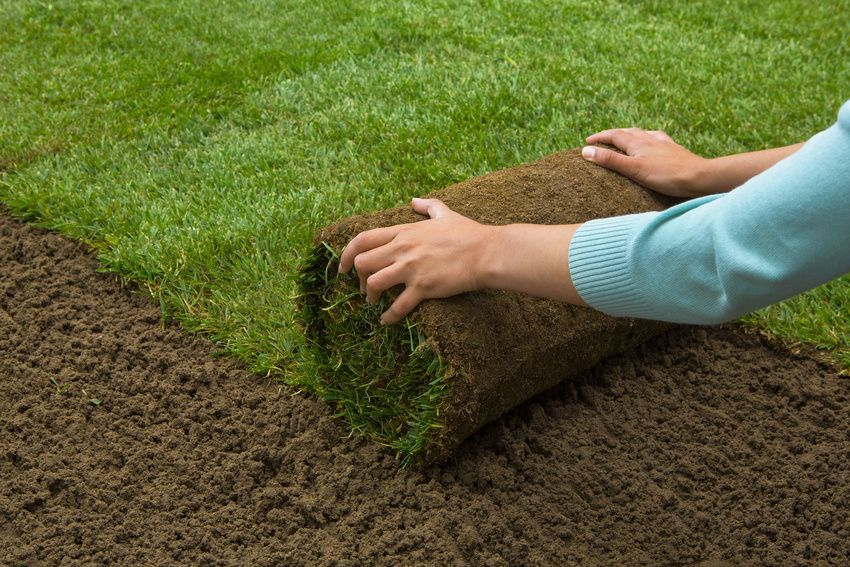
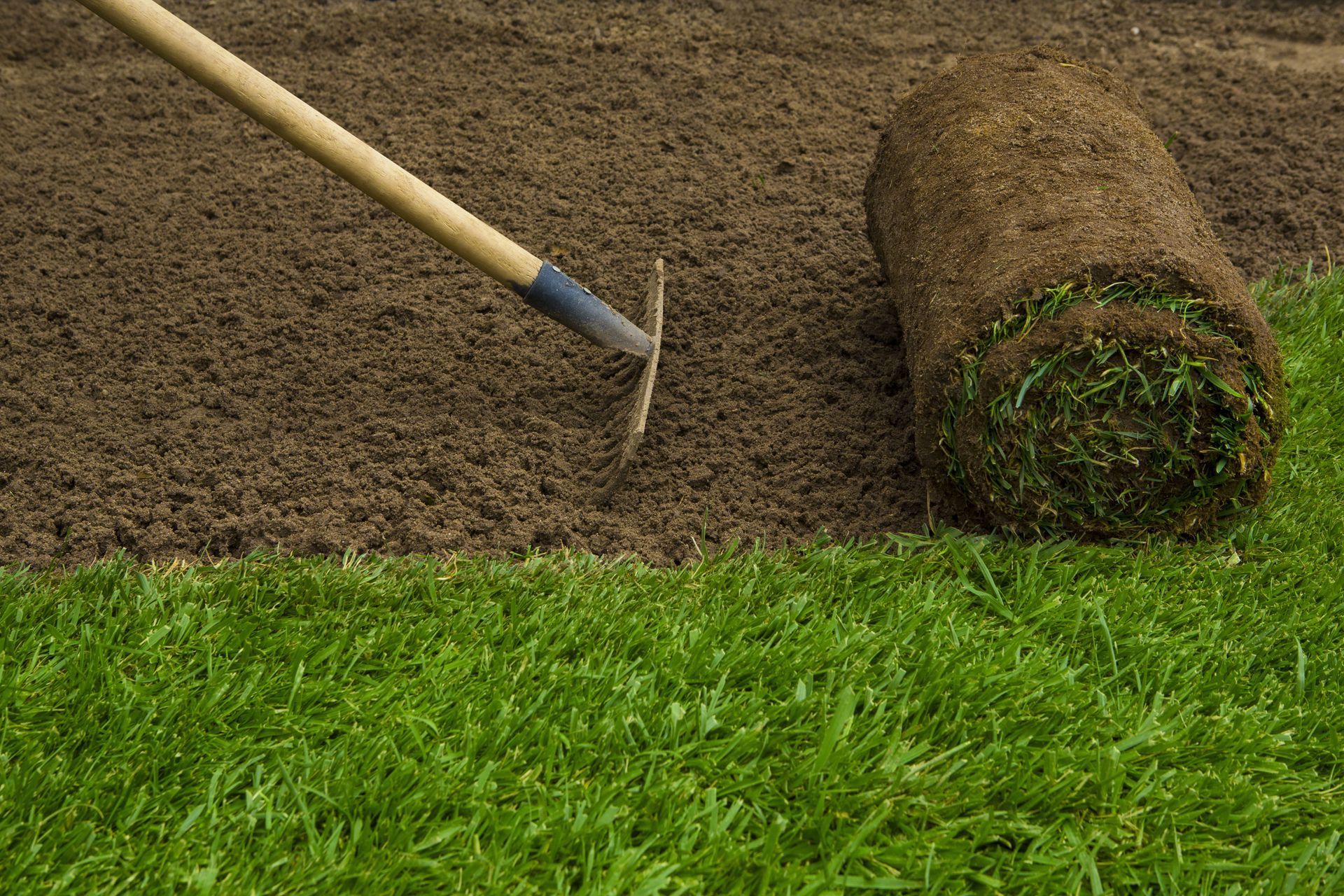
Professional sod installations prioritize appropriate soil conditions and consistent turf-to-ground contact. These factors help prevent air pockets that could interfere with root development. When roots have access to suitable growing conditions, they can spread more effectively and support the overall health of the lawn.
Strong root development also contributes to better resilience during seasonal changes. Grass with an established root system can access moisture deeper in the soil, reducing its vulnerability to temporary dry conditions. This foundation supports healthier turf throughout the growing season and improves its ability to recover from everyday stress.
2. Improving Soil Stability and Preventing Erosion
Soil erosion can create significant challenges for residential and commercial landscapes. Heavy rainfall, surface runoff, and exposed ground may gradually remove valuable topsoil, leaving uneven surfaces and reducing the soil’s ability to support healthy vegetation.
Proper sod installation helps protect vulnerable soil by providing immediate ground coverage. Unlike newly seeded areas, which remain exposed while grass develops, sod creates a protective layer that can reduce the direct impact of rainfall on the soil surface.
Professional sod installations can be especially beneficial for properties with sloped landscapes, drainage challenges, or areas affected by previous soil disturbance. Although sod cannot correct every underlying drainage problem, establishing healthy turf can contribute to better soil protection and help maintain a more consistent landscape.
3. Supporting Better Moisture Retention
Maintaining appropriate soil moisture is essential for healthy grass growth. When soil dries excessively, grass may experience stress, discoloration, and reduced growth. Conversely, consistently saturated soil can limit oxygen availability around the roots and contribute to unhealthy growing conditions.
Properly installed sod creates a layer of living vegetation that helps moderate moisture loss from the soil surface. Grass blades provide shade, while the developing root system supports moisture absorption and distribution throughout the growing area.
The quality of soil preparation also influences how effectively moisture reaches the roots. Soil that allows appropriate water movement can support healthy establishment without creating persistent waterlogged conditions.
Once established, lawns developed through professional sod installations can maintain more consistent coverage, helping reduce exposed areas where moisture evaporates rapidly. This contributes to a more balanced growing environment and supports the lawn’s long-term appearance.
4. Reducing Opportunities for Weed Growth
Weeds compete with desirable grass for sunlight, water, nutrients, and growing space. When lawns contain large bare patches or thin vegetation, unwanted plants can establish themselves more easily and spread throughout the landscape.
Installing healthy sod provides immediate grass coverage, reducing the amount of exposed soil available for weed establishment. Dense turf also limits the sunlight reaching the soil surface, making conditions less favorable for certain weed species.
Professional sod installations support this advantage by emphasizing uniform coverage and healthy turf establishment. When sod develops a strong root system and maintains consistent growth, it becomes better positioned to compete with unwanted vegetation.
The greatest benefit comes from establishing healthy grass that maintains its density over time. A vigorous lawn naturally occupies more growing space, helping reduce opportunities for weeds to become established and supporting a cleaner, more attractive landscape.
5. Creating More Uniform Grass Coverage
An uneven lawn can diminish the appearance of an otherwise attractive property. Patchy grass, inconsistent growth, and exposed soil often make landscapes appear neglected, even when property owners invest considerable effort in maintenance.
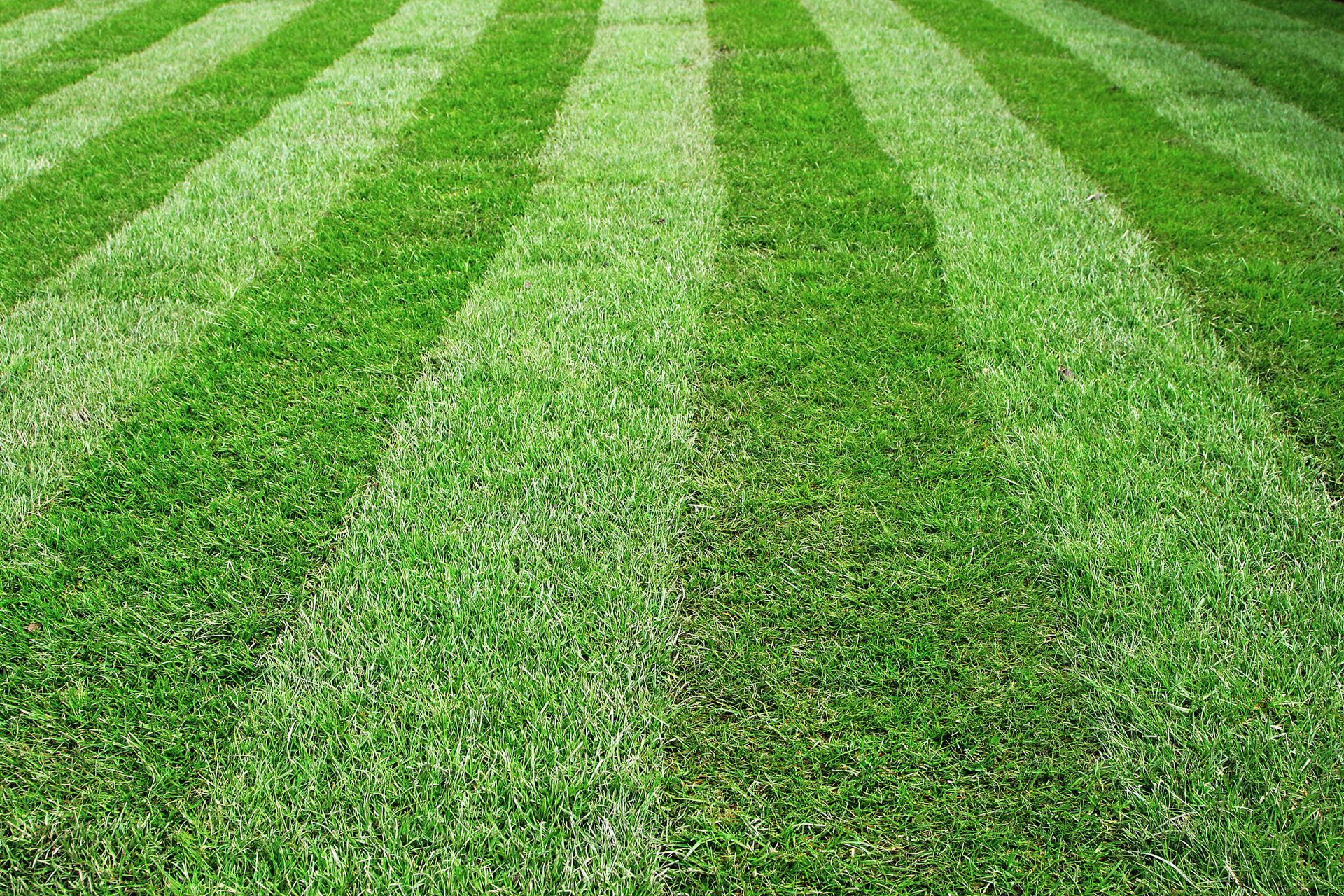
Proper sod installation creates an opportunity to establish consistent grass coverage across the landscape. Professionally grown sod generally provides mature turf with established grass density, allowing property owners to enjoy a more uniform appearance shortly after installation.
Accurate planning also plays an important role in achieving consistent coverage. According to LawnStarter, a sod pallet generally covers between 450 and 650 square feet, although 450 square feet is the most common coverage amount. Understanding these measurements helps landscaping professionals estimate material requirements and plan projects efficiently.
Professional sod installations account for the shape, dimensions, and characteristics of the property. Careful placement helps minimize visible gaps and irregular transitions between sections of turf.
Uniform coverage offers benefits beyond appearance. Consistent grass density helps protect the underlying soil, supports more even moisture conditions, and reduces vulnerable areas where weeds may establish themselves.
6. Improving Lawn Resilience Against Environmental Stress
Grass experiences various environmental pressures throughout the year. Temperature fluctuations, changing precipitation patterns, foot traffic, and seasonal weather conditions can all affect lawn health.
A properly established lawn is generally better equipped to tolerate these challenges than grass growing in poor soil conditions or struggling with weak root development.
Professional sod installations help establish the foundation for improved resilience by matching appropriate turf varieties with local growing conditions. Different grass species have distinct requirements regarding sunlight, temperature, moisture, and maintenance.
Selecting suitable grass is particularly important in regions where seasonal temperature changes influence turf performance. Grass that is compatible with the local climate has a better opportunity to maintain healthy growth and recover from ordinary environmental stress.
Proper installation also helps encourage consistent rooting, which supports nutrient absorption and moisture availability. These advantages contribute to stronger grass that can better withstand normal landscape use.
Although no lawn is completely resistant to drought, disease, or physical damage, healthy turf supported by favorable growing conditions is generally more capable of recovering from temporary stress.
7. Promoting Long-Term Lawn Health and Appearance
A beautiful lawn should remain attractive beyond its initial installation. Long-term success depends on establishing healthy grass that can continue growing under the property’s specific environmental conditions.
Professional sod installation contributes to this goal by addressing factors that influence turf establishment, including soil compatibility, surface preparation, drainage considerations, and grass selection.
When these elements work together, newly installed sod has a stronger opportunity to develop into a durable, attractive lawn.
Professional
sod installations also help property owners avoid common establishment problems associated with uneven soil contact, unsuitable grass varieties, and inconsistent turf coverage. Addressing these concerns during installation can reduce the likelihood of premature thinning or widespread establishment difficulties.
A healthy lawn can also enhance the overall functionality of outdoor spaces. Consistent turf creates a more comfortable surface for recreational activities, complements landscaping features, and improves the visual appeal of residential and commercial properties.
Over time, strong grass coverage supports soil protection and creates a landscape that is easier to maintain consistently. While ongoing care remains important, professional installation provides a valuable starting point for sustained lawn health.
Choosing Professional Sod Installation for a Healthier Lawn
Proper sod installation offers advantages that extend well beyond immediate visual improvements. Stronger root development, improved soil stability, consistent moisture conditions, and reduced opportunities for weed growth all contribute to healthier turf.
Professional installation also supports uniform coverage and helps establish grass varieties suited to local environmental conditions. Together, these benefits create a stronger foundation for long-term lawn performance.
Investing in professional expertise can make a meaningful difference in how successfully new grass becomes established. By prioritizing healthy growing conditions from the beginning, property owners can enjoy attractive outdoor spaces that remain functional and resilient throughout changing seasons.
At DeBuck’s Sod Farm of Wisconsin, Inc., we understand the importance of establishing a healthy, beautiful lawn that complements your property. Our team is committed to helping customers find quality sod solutions that support their landscaping goals. Whether you are improving an existing lawn or planning a new landscape, we can help you explore options suited to your needs.
Contact us today to learn more about our sod products and how we can help you create a healthier, more attractive lawn.