November 16, 2026
A lush, instant lawn brings vibrant beauty to your property, but protecting that investment requires dedicated attention throughout the establishment phase. Fresh turf is delicate, and following a structured regimen ensures that each roll bonds securely with the native soil. By trusting seasoned professionals with your turfgrass needs and sticking to a precise post-care schedule, you can look forward to decades of resilient green coverage.
Understanding the Vulnerability of Fresh Turfgrass
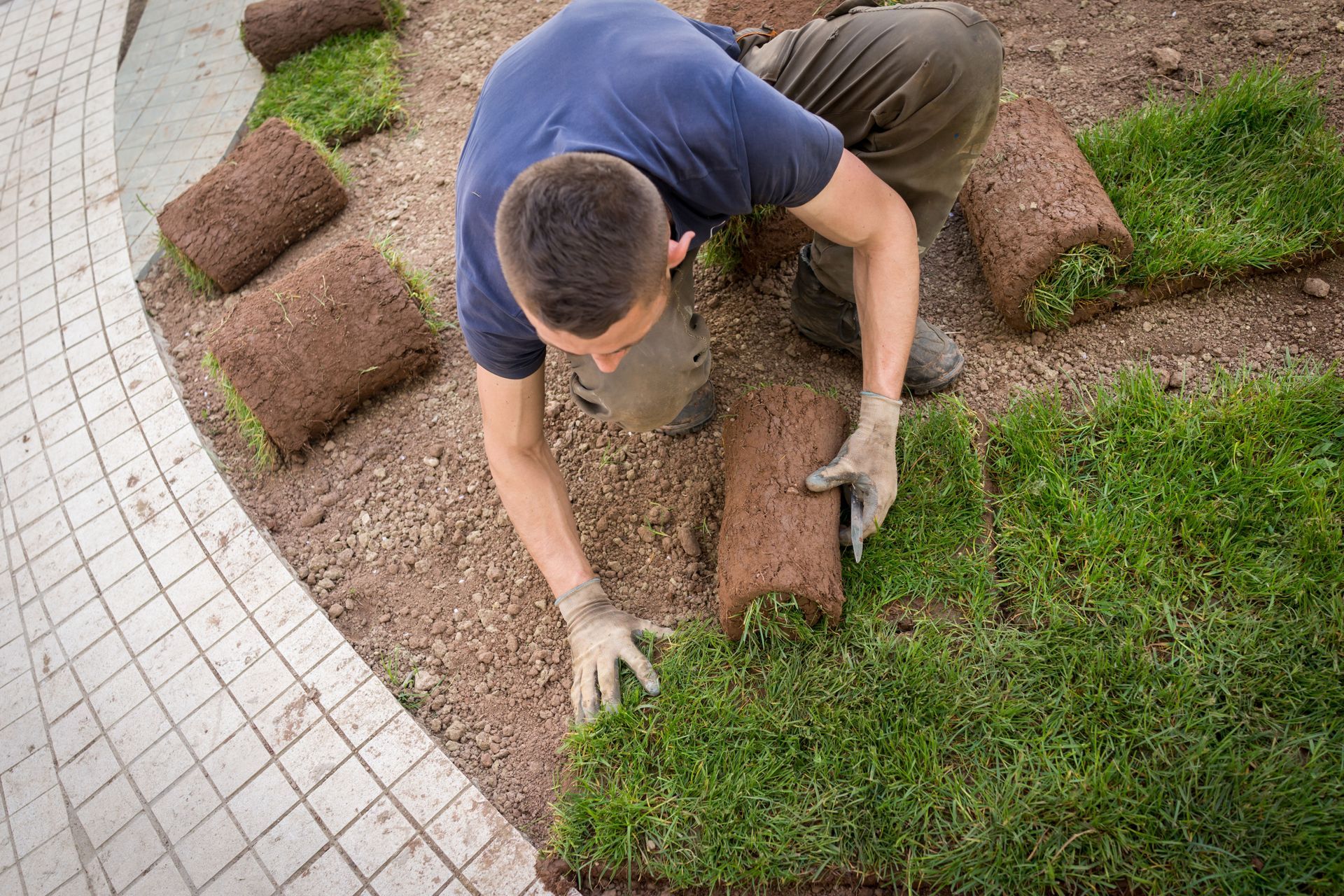
The initial weeks following a professional sod installation determine the overall lifespan and vitality of your landscape. Because the root system has been harvested and relocated, the grass blades require prompt moisture and gentle handling to recover from transport shock. Professional turf harvesters slice through roots during harvest, which temporarily reduces the turfgrass's ability to pull moisture and nutrients from deep underground.
According to This Old House, a healthy turfgrass area contains approximately one million individual plants across every 1,000 square feet. Managing that immense volume of living foliage demands precision, consistent hydration, and structured care. When property owners treat new sod with the care it requires, the investment yields a dense, uniform, and enduring ground cover.
Establishing an Essential Watering Schedule
Moisture management is the most vital component of your routine after a sod installation. Without deep saturation, roots dry out rapidly, edges curl, and brown seams appear across the surface. Proper watering must strike a balance between deep root saturation and preventing standing puddles.
- Days one through fourteen: Water your lawn at least two times per day, targeting the early morning and early afternoon to reduce evaporation. Ensure the water reaches three to four inches beneath the surface, soaking the sod backing and the top layer of native soil until it feels spongy.
- Days fifteen through thirty: Gradually scale back the frequency to one thorough watering session per day or every other day, depending on rainfall and heat. This prompts the young roots to stretch deeper into the ground in search of lingering moisture.
- Month two and beyond: Transition to standard deep-watering practices by providing one to one and a half inches of water per week spread across two or three weekly cycles.
Consistent irrigation prevents irreversible desiccation, ensuring that fewer dry pockets develop across the terrain.
Protecting the Lawn From Early Foot Traffic
One common mistake property owners make is allowing foot traffic on tender turf before the root system establishes. Walking across fresh turf can dislodge delicate root hairs, shift seam alignments, and compact freshly prepared underlying topsoil.
Keeping everyone off the grass during the first three weeks prevents depressions and uneven spots. Children and pets should play in alternative areas of the yard while the turf takes hold. If you must walk across the lawn to adjust an irrigation sprinkler, step lightly and walk on different paths to avoid creating worn ruts.
Observing Proper Techniques for the First Mowing
Mowing your lawn too early or using dull equipment can pull fresh rolls right out of the subsoil. Waiting for the grass to anchor firmly protects both the foliage and the underlying root grid.
- Test the root connection around day twelve to day fourteen by gently tugging on several sod corners; if you feel strong resistance, the root network is anchoring well.
- Sharpen your lawn mower blades before the first pass, as dull blades tear grass tips and cause brown, frayed edges.
- Raise your mower deck to its highest recommended setting to cut no more than 30% to 33% of the total blade height during the initial trim.
- Empty the grass catcher or ensure that light clippings disperse evenly without clumping on top of tender shoots.
Maintaining higher blade heights shelters the ground beneath, locks in soil moisture, and reduces stress on the developing root system.
Feeding Your Turf With Balanced Nutrients
Proper fertilization supplies the macronutrients required for steady cellular growth and deep root expansion. However, applying potent products too quickly can burn fragile roots that have not yet acclimated.
Professional sod growers supply their turf with optimal nutrients prior to harvest, meaning your lawn already possesses adequate fuel for its initial rooting phase. You should wait approximately six weeks after your initial sod installation before scheduling a light fertilizer application. A balanced starter formula featuring moderate nitrogen, phosphorus, and potassium encourages healthy underground anchoring rather than excessive top growth. Applying granular food evenly across moist soil guarantees that nutrients dissolve without scorching grass leaves.
Controlling Weeds and Environmental Hazards Safely
Weeds are opportunists that seek out bare dirt and sunlight, but applying harsh chemical controls to new sod can damage immature grass blades. Protecting the lawn through smart horticultural habits prevents unwanted invaders while preserving root vigor.
- Postpone all selective herbicide, pre-emergent, and weed-and-feed treatments until the turf has experienced at least six to eight weeks of robust growth and multiple mowings.
- Pull occasional rogue weeds by hand when the soil is damp, gently pressing down on the surrounding sod so the root bed remains undisturbed.
- Clear away fallen autumn leaves, pine needles, and storm debris promptly with a light plastic rake or leaf blower so grass blades receive 100% of available sunlight.
- Monitor high-sun corners and edges along concrete sidewalks, as paved surfaces absorb radiant heat and dry out adjacent sod much faster than open turf areas.
Addressing weeds through gentle manual removal keeps chemical stress to a minimum while the root structure solidifies.
Navigating Seasonal Weather and Heat Variations
Weather conditions dictate how quickly your yard adapts following a sod installation. Summer installations in mid-July through August encounter intense sun and high ambient temperatures, requiring vigilant monitoring to ensure the ground never dries out. If high heat causes grass to take on a gray tint or curl its blades, apply water immediately to cool the canopy.
Spring and autumn installations benefit from cooler daytime temperatures and greater natural precipitation, though frosty nights can slow active blade elongation. Autumn installations give the root system several weeks of mild soil temperatures to anchor before winter dormancy sets in. Regardless of the installation season, checking soil moisture daily ensures your turf transitions smoothly into the next phase of maturity.
Choosing Reliable Solutions for Long-Term Success
A lush lawn begins with selecting superior grass stock from an experienced, local grower. Sourcing sod from regional experts ensures that your turf is already acclimated to local soil profiles, rainfall trends, and seasonal shifts. Experienced turf operations cut orders fresh on the delivery date, giving your property the freshest possible product and a critical fighting chance against heat fatigue.
Professional delivery and proper site handling remove the guesswork from turf establishment. Whether you are outfitting a newly constructed residence, refreshing worn commercial grounds, or restoring high-traffic recreation fields, partnering with a respected sod producer guarantees premium turf varieties grown under stringent quality standards. Furthermore, pairing top-grade turf with knowledgeable guidance shields your landscape from common pitfalls, ensuring that every square foot establishes rapid root networks and uniform vigor. With healthy sod installed and supported by proper post-sod installation hydration and mowing, your outdoor space transforms into an enviable, emerald-green showpiece that enhances curb appeal for years to come.
Proper aftercare is essential to protect your property's value, and choosing high-quality, regionally grown turf gives you the confidence that your new grass will root deeply and flourish. For premium turfgrass delivery and superior sod varieties tailored to our climate, contact the dedicated specialists at DeBuck's Sod Farm of Wisconsin, Inc.